


Urinary Cat Food
24 productsExplore vet-recommended urinary cat food to support bladder and lower urinary tract health, from everyday urinary formulas through to prescription veterinary diets for cats with FLUTD, cystitis or crystals. Compare wet and dry urinary cat food from trusted brands like Royal Canin, Hill's and Purina Pro Plan.


$62.00


$36.00


$36.00


$39.95


$48.00


$57.50


$39.40


$83.00


$37.95


$110.00


$89.00


$48.00


$37.95


$35.29


$58.90


$87.00


$45.29


$77.85


Why does diet matter for your cat's urinary health?
Most feline urinary problems trace back to urine that is too concentrated, which lets crystals form and irritates the bladder. Because cats have a naturally low thirst drive, the single most effective step is getting more water into them, which is why a moisture-rich urinary diet is usually a first-line recommendation.
“Cats are naturally prone to urinary problems because they have a low thirst drive, so they may not drink enough to keep their urine dilute, especially on a mostly dry diet. For cats with a history of urinary issues, diet is one of the most effective long-term management tools available.”
— Dr Jack Ayerbe OAM, Veterinarian & Vets Love Pets Partner
Read the full guide: best urinary cat food.
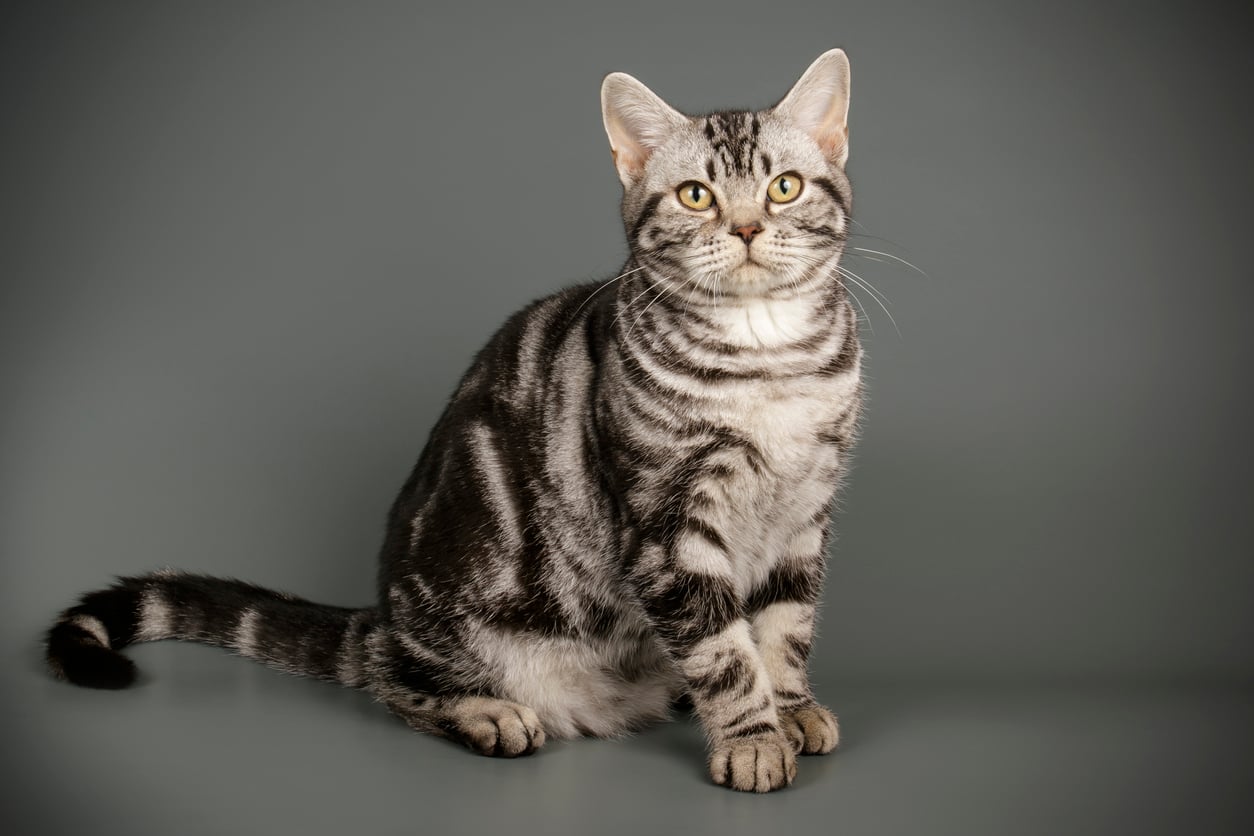
What are the common urinary problems in cats?
"Urinary issues" covers a few related conditions, and knowing which one your cat has guides the right diet:
- FLUTD (feline lower urinary tract disease) is the umbrella term for bladder and urethral problems, in which stress, diet and hydration all play a part.
- Cystitis is inflammation of the bladder, often stress-linked in cats.
- Crystals and stones form when minerals concentrate in the urine, causing irritation and, at worst, a life-threatening blockage. Struvite crystals can often be dissolved with a urinary diet, while calcium oxalate stones cannot, so your vet identifies the type from a urine test before recommending a food.
Urinary problems become more common with age and often overlap with kidney changes, so many older cats do well on a moisture-rich senior cat wet food. Straining to urinate, frequent small trips to the litter tray, blood in the urine or crying while toileting all warrant prompt veterinary attention, as a blocked cat is an emergency.
What to look for in a urinary cat food
Urinary diets differ from standard cat food in a few specific ways. A good one offers:
- Controlled minerals: managed magnesium, calcium and phosphorus, which feed crystal formation in excess.
- Targeted urine pH: formulated to keep urine in a range that discourages struvite and oxalate crystals.
- Hydration support: a wet format or a recipe that encourages drinking, to dilute the urine.
- Complete and balanced to the standards of the Association of American Feed Control Officials (AAFCO) or the Pet Food Industry Association of Australia (PFIAA), so it is a full diet.
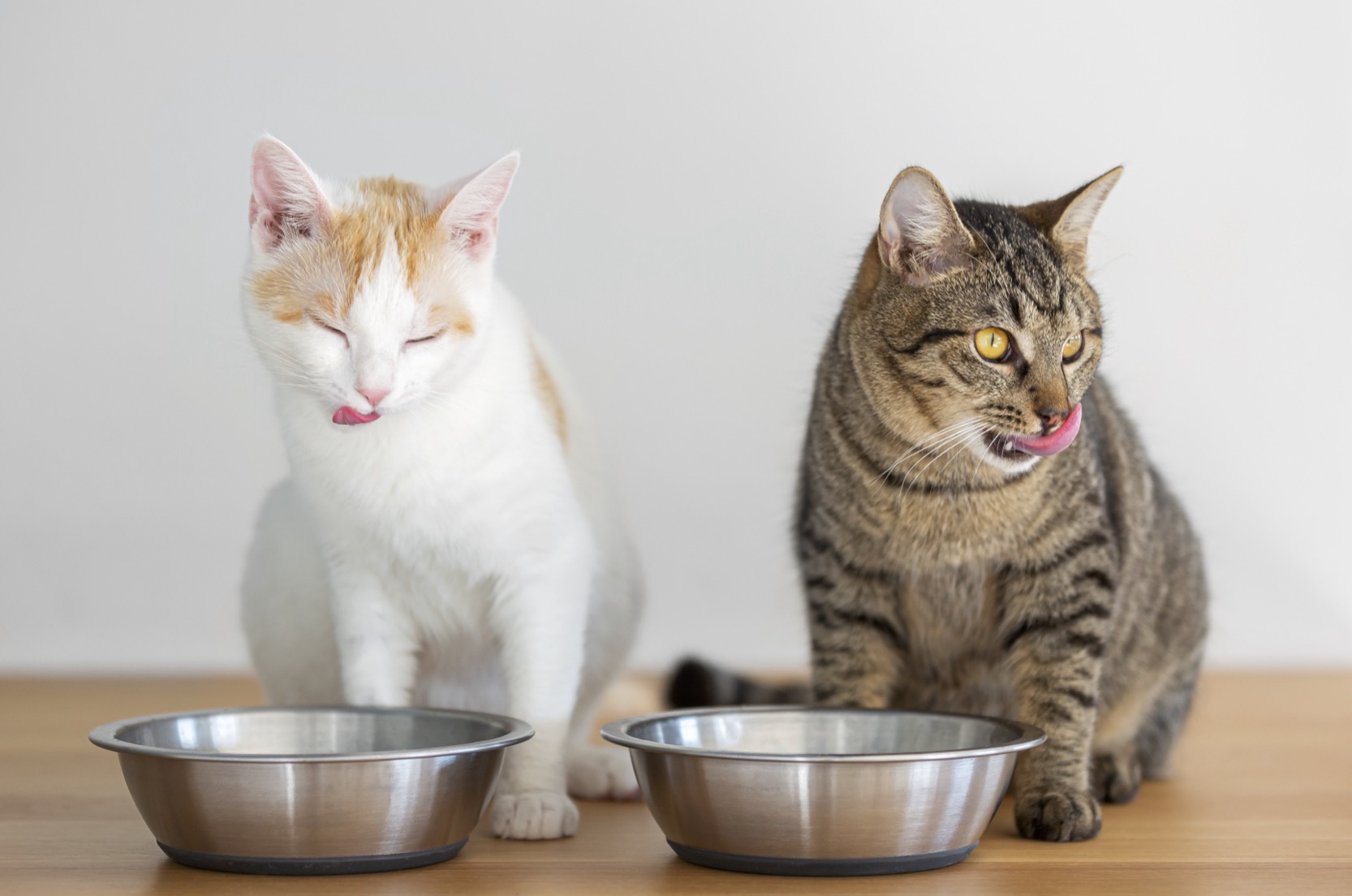
Should I choose wet or dry urinary cat food?
Both help, but wet is usually the stronger choice because its moisture dilutes the urine, the factor that matters most in reducing crystal risk. Many cat parents feed mostly wet with some dry for grazing. Browse urinary health wet cat food or urinary health dry cat food.
Does my cat need prescription urinary cat food?
Some urinary diets are available without a prescription, while therapeutic veterinary diets such as Royal Canin Urinary S/O, Hill's Prescription Diet c/d and Purina Pro Plan UR require your vet's authorisation. Which is right depends on your cat's diagnosis, so start any therapeutic diet on your vet's advice, and do not switch a cat that is stable on one without checking first. Whichever you choose, introduce it slowly over five to seven days, and limit treats and table scraps that can undo the diet's careful mineral and pH balance.
Trusted urinary cat food brands
Every diet in our range is vet-verified, checked against clinical standards before it earns a place.
- Royal Canin: Urinary S/O helps dissolve and prevent struvite crystals through urine dilution and mineral control.
- Hill's: Prescription Diet c/d Multicare supports ongoing bladder health and lowers the risk of crystals returning.
- Purina Pro Plan: UR Urinary St/Ox is formulated for cats with recurrent struvite and calcium oxalate issues.
How you can support your cat's urinary health beyond nutrition
A tailored nutrition plan does a lot to support your cat's urinary health, but you can also weave in a few other things to help:
- Encourage water drinking with a water fountain or extra bowls, as many cats prefer running water.
- Add some wet cat food to lift overall moisture, even if the main urinary diet is dry.
- Ask your vet about a urinary bladder support supplement such as Cystophan for cats prone to recurring or stress-related flare-ups.
- Keep stress low with a calm, predictable routine, as stress is a genuine trigger for cystitis.
Want to learn more?
- Read our vets' best urinary cat food guide.
- Understand the bigger picture in kidney and urinary health in cats.
- Managing both? See best cat food for kidney support.
Frequently Asked Questions
Urinary cat food usually starts to work within a few weeks, though the exact timeline depends on the problem and its severity. Struvite crystals can dissolve over several weeks of consistent feeding, while preventing recurrence is ongoing. Your vet will usually recheck a urine sample to confirm the diet is working.
Yes, recurrence of urinary crystals or stones in cats is common, which is why long-term dietary management matters so much. Feeding a vet-recommended urinary diet consistently, keeping your cat well hydrated, and having regular urine checks are the most effective ways to lower the chance of it returning.
In many cases yes, as cats with a history of urinary issues usually do best staying on a urinary diet long term. Stopping often lets the urine concentrate again and crystals reform, so follow your vet's plan and recheck as advised.
Other cats should not eat a therapeutic urinary cat food unless they need it, because these diets adjust minerals and urine pH for a specific purpose. In a multi-cat home, feed the urinary diet separately, or ask your vet about an everyday urinary-support food suitable for all your cats.
Urinary diets are formulated for adult cats and are usually not suitable as a kitten's main food, since growing kittens need a complete growth diet. If a kitten shows urinary signs, see your vet for a safe plan. Senior cats, who are more prone to urinary and kidney issues, are often well suited to these diets.


