


Ragdoll Breed Guide
|
|
The teddy bear of the cat world
The Ragdoll is a large, calm cat who melts into your arms when picked up, which is how the breed got their name. Gentle and great with children, Ragdolls suit indoor homes where someone is around for much of the day, and need brushing a few times a week. Most weigh 3.6 to 9 kg and live 12 to 18 years.
 Written by our veterinary expertsDr Jane Miller, BVScVeterinarian and Vets Love Pets Partner
Adult weight
3.6–9 kg
Males 5.4–9 kg, females 3.6–6.8 kg
Length
Up to ~1 m
Nose to tail, in the longest cats
Lifespan
12–18 yrs
Longer when kept lean and indoors
Play
10–20 min
Gentle play, every day
Kitten price
$1.8k–$2.6k
Pedigree kitten · see costs ↓
Fluffy, floppy and full of charm, the Ragdoll is the teddy bear of the cat world.
Pick one up and they melt into you, which is how the breed got their name. Where most new pet parents need a hand is everything after: choosing the right food for a large indoor breed, keeping them lean, caring for that silky coat and knowing the heart and kidney conditions to watch for.
This vet-verified guide brings together what our vet team recommends and what 152 Ragdoll parents have told us, so you can help your Ragdoll thrive.
A Ragdoll's silky, semi-long coat is lower-maintenance than most longhairs but still needs brushing two to three times a week.
Ragdolls are prone to hypertrophic cardiomyopathy (HCM), so choose a breeder who DNA and heart tests their cats.
Ragdoll parents report tummy trouble more often: 36% of the Ragdoll parents who told us about a health concern reported a sensitive stomach, compared with 27% for other cats.
Yes, Ragdolls are easy to train for a cat. They're food-motivated and eager to please, so short, reward-based sessions work well. Start litter training from day one.
Ragdolls typically live 12 to 18 years. A lean weight, regular heart and dental checks and an indoor life all help them live longer.
Yes, Ragdolls shed, though less than many longhaired breeds because they lack a dense undercoat. Shedding picks up during the spring and autumn moults.
No. No cat is truly hypoallergenic, and Ragdolls still produce the Fel d 1 protein that triggers allergies. Spend time around the breed before committing if anyone at home has allergies.
Yes. Their patient, placid nature makes Ragdolls one of the more family-friendly cat breeds, though supervised introductions help, especially with other animals.
Ragdolls are best kept indoors. They're trusting and laid-back, with little sense of danger, so supervised harness walks or a secure outdoor enclosure are safer ways to explore.
Ragdolls are generally quiet and less vocal than many breeds, though they'll still let you know when it's dinner time.
Ragdolls are special because they go floppy and relaxed when you pick them up. They're also one of the largest cat breeds, with blue eyes and a pointed coat. Many follow their people from room to room like a dog.
Ragdolls can be left alone for short periods. They're people-focused cats who don't enjoy long stretches on their own. A cat tree, puzzle feeders and window views help keep them busy while you're out.
A Ragdoll is right for you if you want a calm, affectionate indoor cat who loves company. They're less suited to homes where everyone is out all day. Their semi-long coat also needs brushing a few times a week.
Each trait is rated from 1 to 5, based on how Ragdolls typically behave and what they need day to day.
The Ragdoll was developed in Riverside, California, in the 1960s by breeder Ann Baker, starting with a longhaired white cat named Josephine. She selected kittens for a calm, affectionate temperament and a tendency to relax completely when handled, and that trait gave the breed their name.
From those foundation cats, the Ragdoll was bred for size, a gentle nature and the pointed, blue-eyed look they're known for today. Ragdolls have since become a popular pedigree cat, prized as indoor companions.
The Siamese shares the Ragdoll's pointed colouring and blue eyes. Our Siamese breed guide covers their history and care.
A full-grown male Ragdoll weighs about 5.4 to 9 kg, and a female about 3.6 to 6.8 kg. The longest Ragdolls measure close to a metre from nose to tail. Males are noticeably bigger than females.
A big male Ragdoll can weigh more than twice as much as the average pet cat, which weighs about 4 kg.

Weigh your Ragdoll rather than judging by eye, because that thick coat can hide both a lean frame and a few extra kilos.
Ragdolls keep growing until about three to four years old, much later than most cats. Their full size and coat take that long to appear. Each life stage brings different needs.
The first year is about growth, learning and gentle handling.
Adult Ragdolls need help staying lean.
Older Ragdolls slow down and need a closer eye on their health.
Ragdolls have a semi-long, silky coat that is always pointed, with darker colour on the face, ears, legs and tail. Colours include seal, blue, chocolate, lilac, red and cream. Lynx (tabby) and tortie variations occur too, and every Ragdoll has striking blue eyes.
Ragdolls lack the dense undercoat that makes some longhairs mat badly, so their coat resists tangling. Their full coat doesn't come in until around three to four years of age.
Ragdoll coats come in three main patterns: colourpoint, mitted and bicolour.

Colourpoint Ragdolls have a lighter body with darker points on the face, ears, legs and tail, and no white.

Mitted Ragdolls have white "mittens" on the paws and a white chin and belly stripe.

Bicolour Ragdolls have a white inverted V on the face, white legs and a white chest and belly, with darker ears and tail.
Ragdolls are calm, affectionate and deeply people-focused cats that want to be near you. They are gentle and patient, and many follow their people from room to room and greet them at the door.
Train a Ragdoll with short, positive, reward-based sessions, starting with the litter tray from day one. Ragdolls are intelligent, food-motivated and eager to please, so a clicker or a consistent word followed by a treat, play or praise works well.
Put the litter tray somewhere quiet and easy to reach, keep it clean and reward correct use. Ignore what you don't want rather than punishing it, and socialise your kitten gently with people, handling and other pets.
Our kitten guide covers the first weeks at home, and our guide to managing anxiety in cats helps if your Ragdoll struggles with change.
"At bedtime, Mischka always has to come up on my bed, and I have to peel the doona back so she can flop up against me for snuggles. In the morning the cats do zoomies through the house, jumping up walls and doors, just madness for about six minutes first thing."

The most common Ragdoll behaviour problems are rough play, a lack of street smarts and knocking things over. Most are normal cat instincts you can redirect.
A pheromone diffuser such as Feliway can help keep a busy or anxious Ragdoll settled during play and around changes in the home.
These Ragdolls are part of the Vets Love Pets community, shared by pet parents who trust us to help care for them.

Submitted by Marilyn, VLP customer

Submitted by Silvie, VLP customer

Submitted by Stephen, VLP customer

Submitted by Connie, VLP customer

Submitted by Tania, VLP customer
First-time Ragdoll parents should keep their cat indoors and start good habits from day one. The five tips below show how, from the litter tray to choosing a breeder.
Give your Ragdoll a cat tree, a scratching post and window views, and use a harness or a secure enclosure for outdoor time.
A quiet, clean, easy-to-reach tray and a reward for using it make litter training quick.
Brush your kitten and handle their paws from the first week, so brushing and nail trims become routine.
Weigh portions and count treats, as extra kilos hide under all that fur.
The section on choosing a healthy Ragdoll kitten below lists the tests to ask for.
The best food for a Ragdoll is a complete and balanced cat food built around high-quality animal protein. Feed portions matched to their life stage and body condition, not their size. Because Ragdolls gain weight easily, portion control matters more than for most cats.
A mix of wet and dry food suits most Ragdolls: dry food is convenient, while wet food adds the moisture that helps protect the urinary tract. Look for a food where a named meat leads the ingredients, keep carbohydrates modest and use puzzle feeders to slow a fast eater.
Never feed a Ragdoll onion, garlic, chocolate, grapes or cooked bones. Skip cow's milk too, as it can upset their stomach. The RSPCA guide to feeding your cat lists more foods to avoid.
36% of Ragdoll parents who told us about a health concern said their cat had a sensitive stomach, compared with 27% of parents of other cats. Diarrhoea came up more often too.
Ragdoll kittens need a complete kitten food with extra protein, fat and nutrients for their long growth period. Feed several small meals a day, and add wet food early so they get used to it.

ROYAL CANIN
Kitten Dry FoodFrom $56.89
A complete growth food with highly digestible protein, a steady start for Ragdoll kittens with a lot of growing still to do.

ROYAL CANIN
Kitten Chunks in Gravy Wet FoodFrom $36.19
Soft chunks in gravy add moisture from day one, an easy way to build the wet-food habit that helps protect the urinary tract later on.

PURINA PRO PLAN
Chicken Formula Kitten Dry FoodFrom $39.09
A high-protein kitten food with chicken first, suited to a large, slow-growing breed that needs quality protein to build muscle.
Our guide to the best kitten food in Australia compares more options, and our kitten nutrition guide explains what growing cats need.
Adult Ragdolls need a high-protein food fed to a lean, muscular body condition, plus wet food for moisture. Royal Canin makes a Ragdoll-specific adult food shaped for the breed's large frame and coat.

ROYAL CANIN
Ragdoll Breed Adult Dry Cat FoodFrom $57.95
Made for the Ragdoll's large frame, with taurine for the heart. It's also the product Ragdoll parents review most often with us.

HILL'S SCIENCE DIET
Urinary Hairball Control Adult Dry Food$64.95
Helps with hairballs from that semi-long coat, with controlled minerals to help support urinary health, as for any adult cat.

PURINA PRO PLAN
Chicken & Rice Entree in Gravy Wet FoodFrom $63.95
A complete wet food to pair with dry. The extra moisture helps support urinary health in indoor cats.
Not sure if your Ragdoll is a healthy weight under all that fur? Our guide to checking your cat's body condition shows you how, and our guide to the best cat food for urinary support compares urinary-friendly options.
From about 11 years old, Ragdolls need a senior food matched to their body condition. Extra moisture helps support their kidneys and urinary tract. Ask your vet before switching if your cat has a kidney or heart condition.

HILL'S SCIENCE DIET
Senior Cat 11+ Dry FoodFrom $39.49
Made for cats over 11, with nutrients to help support heart and organ health in a breed that can live well into their late teens.

HILL'S SCIENCE DIET
Indoor Adult 7+ Cat Dry Food$64.99
Made for mature indoor cats from 7, which is how most Ragdolls live, with energy matched to a slower routine.

PURINA PRO PLAN
Adult 7+ Salmon & Tuna Dry Food$62.95
A complete recipe for mature cats from 7, with omega-3 and antioxidants, for a Ragdoll who still needs to stay lean.
Our guides to the best senior cat food and senior cat care cover what changes as your Ragdoll ages.
A Ragdoll with a sensitive stomach needs a highly digestible food, introduced slowly over a week or so. A probiotic can help them recover after an upset. See your vet if vomiting or diarrhoea keeps coming back.

HILL'S SCIENCE DIET
Sensitive Stomach & Skin Dry FoodFrom $44.95
A gentle everyday food for Ragdolls with sensitive tummies, the concern Ragdoll parents mention most often in their reviews.

PURINA PRO PLAN
Sensitive Chicken Adult Wet FoodFrom $34.75
A highly digestible wet food with a prebiotic, so a sensitive Ragdoll gets extra moisture without upsetting their stomach.

PROTEXIN VETERINARY
Synbiotic D-C Probiotic & Prebiotic Capsules$35.90
One daily capsule you can sprinkle over food, to help a Ragdoll get back on track after a tummy upset or a course of antibiotics.
Our guide to sensitive stomachs in cats explains the common causes, and our guide to the best sensitive stomach cat food compares more options.
The biggest health risk for Ragdolls is hypertrophic cardiomyopathy (HCM), an inherited heart disease. Weight gain and dental disease are common too. Health-tested parents and regular vet checks lower the risk.
Ragdolls can inherit hypertrophic cardiomyopathy, a heart disease linked to a gene mutation found in the breed. They can also inherit polycystic kidney disease, which a DNA test can pick up in carriers.
HCM thickens the heart muscle so the heart can't pump efficiently. Ragdolls carry a specific gene mutation linked to HCM, and it's more common and often more severe in males.
Signs to watch for
What to do: Ask for both parents' DNA results. Vets often suggest a DNA test plus a yearly heart ultrasound from about two years old for at-risk cats.
Source: Cornell Feline Health Center on hypertrophic cardiomyopathy in cats
Like many cats, Ragdolls can get lower urinary tract disease, including bladder stones, which cause pain and difficulty urinating.
Signs to watch for
What to do: A cat who can't pass urine is an emergency, especially a male. Fresh water, wet food and low stress help.
Source: Cornell Feline Health Center on feline lower urinary tract disease
Learn more →PKD is an inherited condition where fluid-filled cysts develop in the kidneys and can lead to kidney failure over time.
Signs to watch for
What to do: Ask for both parents' PKD DNA results, and tell your vet about any change in your Ragdoll's drinking.
Source: International Cat Care on kidney disease in cats
Learn more →A large, food-motivated indoor cat is easy to overfeed, and extra weight raises the risk of diabetes.
Signs to watch for
What to do: Feed measured portions matched to age and weight, and keep your Ragdoll at a lean body condition.
Source: Cornell Feline Health Center on diabetes in cats
Learn more →Like most cats, Ragdolls can get gum disease, which builds up from plaque and tartar on the teeth.
Signs to watch for
What to do: Brush their teeth regularly with a pet toothpaste and have your vet check their mouth every year.
Source: International Cat Care on dental disease in cats
Learn more →Our guides to kidney and urinary health in cats and urinary tract infections in cats explain the signs in more depth. Our guide to managing kidney disease in cats covers life after a diagnosis.
"This food has saved my sanity! Two Ragdoll cats, one who throws up furballs regularly and the other was a rescue with high anxiety and frequently urinating on the bed/couch. They are both so much better on this food. [...] Expensive but so worth it to save the constant clean ups and know the cats are healthy!"

The food Jennie mentions
Hill's Prescription Diet c/d Multicare Urinary StressVet diet: ask your vet first
From $63.55
View productRagdolls need brushing two to three times a week to lift out loose hair and catch tangles before they mat. Brush more often during the spring and autumn moults. Trim their nails every few weeks and brush their teeth regularly.
Dental treats help between brushes but don't replace them. Our guide to cat dental care shows you how to brush your cat's teeth step by step.
A Ragdoll's grooming kit needs a soft slicker brush, cat nail clippers and a pet toothpaste.

GRIPSOFT
Cat Soft Slicker Brush$17.04

GRIPSOFT
Cat Nail Clipper$12.09

DENTIPET
Toothpaste Chicken Flavour$28.05

GREENIES
Feline Dental Treats Catnip$33.95
Most adult Ragdolls need a short, gentle play session of about 10 to 20 minutes a day. Ragdolls are placid and don't need a rigorous routine, but daily play keeps them fit and helps hold off weight gain.
Every day
10–20 min
Short, gentle play sessions
Best games
Wand + ball
Interactive play, not high intensity
Indoor enrichment
Cat tree + puzzles
Climbing, scratching and puzzle feeders
Many Ragdolls will learn to walk on a harness, a safe way to give an indoor cat some outdoor stimulation. Short, frequent sessions suit their relaxed nature better than one long burst.
For more, try our ideas for mentally stimulating your cat.
Ragdolls love toys they can chase with you, such as wand and teaser toys. Between play sessions, puzzle feeders and a tall cat tree keep them busy.


DOC & PHOEBE
Indoor Hunting Feeder$37.00

KRUUSE
Catrine Catmosphere Treat Ball$24.99
Ragdolls need year-round protection against fleas and intestinal worms, even indoors, because fleas hitch a ride inside. In many parts of Australia they also need heartworm cover, and paralysis tick cover if they go outside or live in tick areas.
Most female Ragdolls fit a medium cat band, while full-grown males often need the largest band. Band limits differ by product, so weigh your cat before you buy.
NexGard Spectra
2.5–7.5 kg
One cat size covers most females
Bravecto Plus
2.8–6.25 / 6.25–12.5 kg
Medium and large cats
Felpreva
2.5–5 / 5–8 kg
Medium and large cats
A Ragdoll over 7.5 kg is outside the NexGard Spectra cat range, and one over 8 kg is outside Felpreva's. Weigh your cat and check the pack, or ask your vet to match the product.
Paralysis ticks are found along much of Australia's east coast, so check an outdoor Ragdoll daily, running your fingers through that silky coat where ticks can hide.
Products differ in which parasites they cover and for how long. Compare the best flea, tick and worm treatments for cats side by side, and read our guides to ticks on cats and worms in cats.
Ragdolls are best covered by a spot-on that treats fleas, ticks and worms, bought in the band for their current weight. Add heartworm cover where your vet recommends it.

NEXGARD SPECTRA
Spot-On for Cats (2.5–7.5 kg)From $59.95

BRAVECTO PLUS
Spot-On for Large Cats (6.25–12.5 kg)From $34.11

FELPREVA
Spot-On for Large Cats (5–8 kg)From $56.59
A Ragdoll kitten from a registered breeder usually costs about $1,800 to $2,600 in Australia. Budget about $1,634 to $2,631 for the first year of care, then around $1,656 a year after that. Adopting from a rescue costs less.
Kitten price
$1.8k–$2.6k
Pedigree kitten, Perfect Pets
First year of care
$1.6k–$2.6k
RSPCA NSW estimate, not including the kitten
Each year
~$1,656
Cat households, Pets in Australia 2025
To choose a healthy Ragdoll kitten, find a breeder who DNA tests both parents for HCM and PKD and heart-scans their breeding cats. A rescue is a good option too.
Avoid pet shops and vague online listings, and be cautious of kittens advertised well below the usual price, as they are often unregistered or not health-tested. Ragdolls and Ragdoll crosses also turn up in shelters and breed rescues, where an older cat's temperament is already clear.
Our kitten essentials checklist covers everything to have ready before your Ragdoll comes home.
A new Ragdoll kitten needs the basics for eating, toileting, scratching and sleeping, plus a grooming kit from day one. Use this checklist to get everything ready.

Breeds similar to the Ragdoll include the Maine Coon, Birman, Himalayan, Persian, Turkish Angora and Siamese. These breeds share the Ragdoll's laid-back, people-loving nature, plush coat or pointed colouring.
A Maine Coon is larger and more active than a Ragdoll. Maine Coons also have a shaggy coat and tufted ears, while Ragdolls are always pointed with blue eyes. Both are gentle, sociable cats that follow their people around.

The gentle giant of the cat world, with the same friendly, follow-you-around nature in an even larger frame.
Learn more →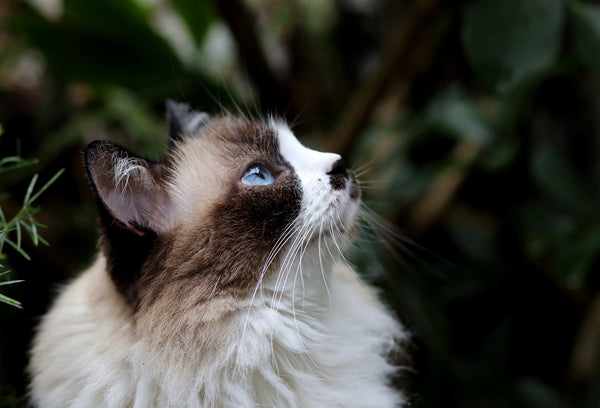
A plush, colourpointed, blue-eyed cat with a chilled temperament. Budget for daily grooming.
Learn more →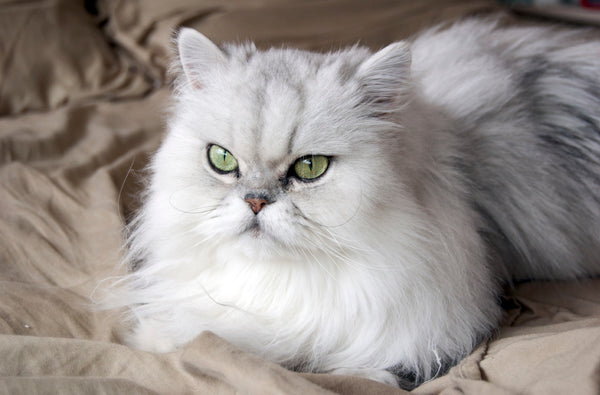
Quiet, affectionate and happy indoors, with a long coat that needs committed grooming.
Learn more →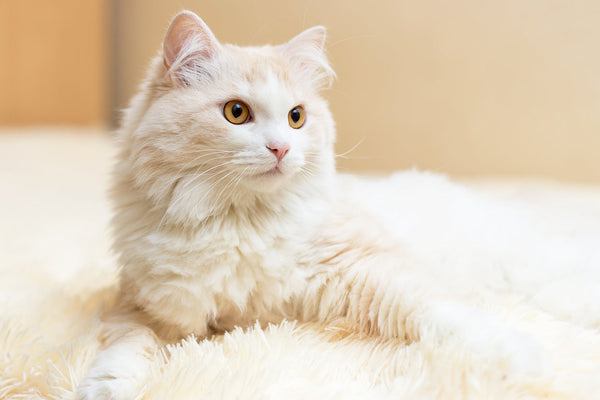
Soft, flowing fur and an affectionate, people-oriented nature, though livelier than a Ragdoll.
Learn more →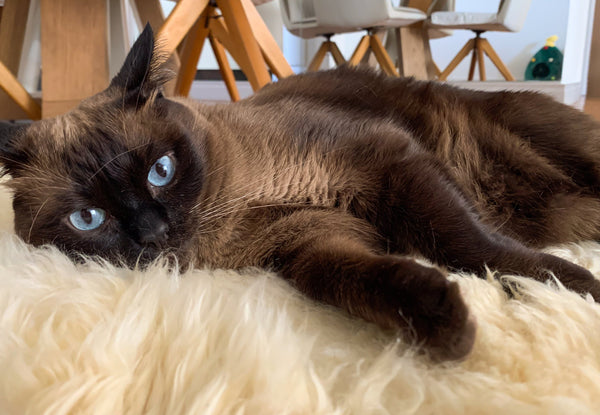
Chattier and more active, but just as people-focused.
Learn more →The Ragamuffin and the Birman are even closer matches. The Ragamuffin is the Ragdoll's cuddly cousin, and the Birman is slightly smaller, with the same blue eyes and white "gloves". We don't have full guides for them yet.
Quick answers to the questions Ragdoll parents ask us most.
Ragdolls are fairly low maintenance for a longhaired cat. They need regular brushing, measured meals and plenty of company, as they don't like being left alone for long.
Ragdolls go limp because the breed was selected to relax completely when held. Always support their back legs, as they are heavy cats.
Your vet will recommend the right time to desex your Ragdoll kitten. The RSPCA supports desexing cats before puberty, which can be as early as 16 weeks, to prevent unwanted litters and lower the risk of some diseases. Raise it with your vet at your kitten's vaccination visits.
A Ragamuffin is a close cousin of the Ragdoll, with the same silky coat and cuddly nature and a slightly different breed history. Ragdolls are always pointed with blue eyes, while Ragamuffins come in many more colours and patterns.
The pros of a Ragdoll are their gentle, affectionate nature and how patient they are with children and other pets. The cons are their inherited heart risk, their tendency to gain weight and their need for company. They also shed and need regular brushing.
Male and female Ragdolls both make affectionate companions, so neither is better. Males are bigger, at about 5.4 to 9 kg compared with 3.6 to 6.8 kg for females. Choose your Ragdoll on personality and the breeder's health testing rather than sex.
Many Ragdolls love to sleep in your bed, because they're such people-focused cats. Whether you share it is up to you. A comfy cat bed in the same room gives them a cosy spot of their own.
Ragdoll kittens usually start vaccinations at 6 to 8 weeks, with boosters every few weeks until around 16 weeks. Your vet sets the exact schedule, and many breeders include the first vaccinations before pickup.

Veterinarian & Vets Love Pets Partner
BVSc
Dr Jane Miller is an accomplished veterinarian with over 15 years of experience providing high-quality care to pets in Geelong, Australia. She obtained her Bachelor of Veterinary Science degree from the University of Queensland and is renowned for her compassionate approach to animal healthcare.
More articles from Dr Jane MillerReferences
This guide draws on:


